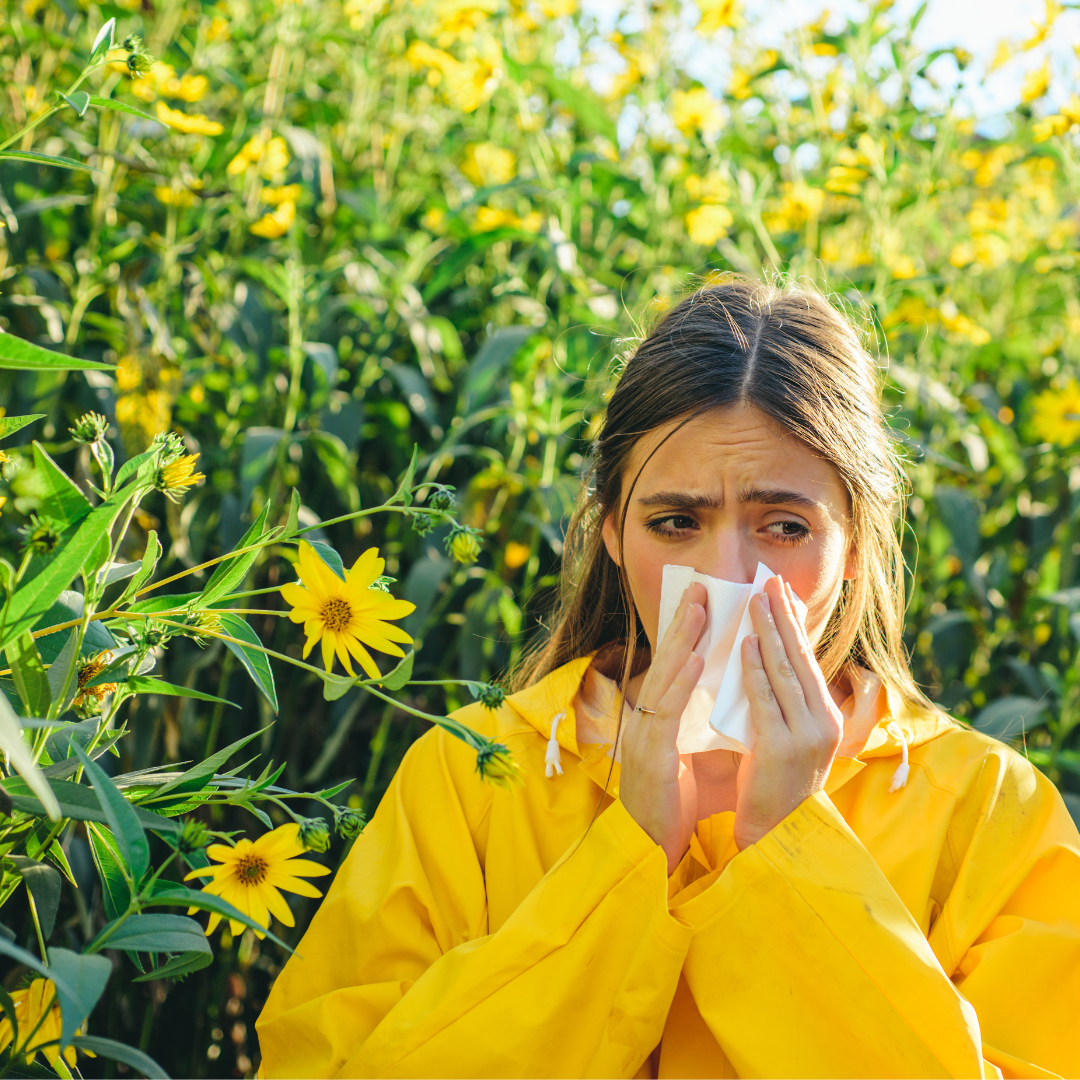


Surviving Sneezing Season
A physician's complete guide to understanding, preventing, and treating seasonal allergies
Written by Regina Jellicorse Fields, MD, MPH · Spring 2026
Every spring and fall, millions of people reach for tissues, rub their itchy eyes, and wonder if they'll ever breathe freely again. Seasonal allergies — clinically known as allergic rhinitis — affect roughly 26% of Americans, making them one of the most common chronic conditions in the country. The good news? Between modern medicine and time-tested natural remedies, you have more options than ever before.
This guide walks you through the science of why your immune system goes haywire around pollen, the practical steps you can take to prevent symptoms, and the full toolkit of treatments — from neti pots to nasal steroids — that can help you reclaim your quality of life.
🌿
Part One
Why Allergies Happen
Seasonal allergies are fundamentally a case of mistaken identity. When harmless pollen particles enter the body of a susceptible person, the immune system misidentifies them as dangerous invaders and launches a full-scale defensive response.
On first exposure, the immune system produces IgE antibodies specific to that allergen — a process called sensitization. These antibodies attach to mast cells throughout the nasal passages, lungs, eyes, and skin. When pollen is encountered again, it binds to those IgE antibodies and triggers the mast cells to release a cascade of chemicals, most notably histamine. Histamine dilates blood vessels, increases mucus production, causes nerve endings to fire, and recruits additional immune cells — producing the classic symptoms of sneezing, runny nose, congestion, and itchy, watery eyes.
"Allergies are not a weakness — they're an overenthusiastic immune system defending you against something that isn't actually a threat."
The timing of symptoms follows the pollen calendar closely. Understanding which season triggers your symptoms can help guide both prevention and treatment strategies.
🌸
Spring
Tree pollens: oak, birch, cedar, maple, elm, pine
☀️
Summer
Grass pollens: timothy, Bermuda, Kentucky bluegrass, ryegrass
🍂
Fall
Weed pollens: ragweed, sagebrush, pigweed & mold spores
❄️
Year-Round
Dust mites, mold spores, pet dander
Genetics plays a strong role — if one parent has allergies, a child has roughly a 30–50% chance of developing them; if both parents are affected, that risk rises to 60–80%. Environmental factors, early childhood exposures, and the hygiene hypothesis (the idea that reduced microbial exposure in modern life may prime the immune system toward allergic reactions) also contribute.
✦ ✦ ✦
🛡️
Part Two
Prevention Strategies
While you can't change your genetics, there's quite a lot you can do to reduce exposure, calm immune reactivity, and build resilience before allergy season peaks. Prevention falls into two broad categories: avoidance strategies and immune support.
Avoidance basics: Check daily pollen counts and limit outdoor time on high-count days (usually dry, windy mornings). Keep windows closed during peak season and use air conditioning. Shower and change clothes after time outdoors to remove pollen from skin and hair. Wear wraparound sunglasses to protect eyes.
Beyond avoidance, several natural and integrative approaches can meaningfully reduce symptom burden when used consistently:
🏠 Environmental Control — Reducing Your Allergen Load
One of the most effective — and underutilized — strategies for allergy management is reducing allergen exposure inside your own home. Even if pollen is unavoidable outdoors, your living environment can be made significantly cleaner.
Air filtration is a worthwhile investment. A HEPA (High-Efficiency Particulate Air) filter in your bedroom and main living areas can capture pollen, dust mite particles, mold spores, and pet dander. Look for an air purifier rated for your room's square footage and run it continuously during peak season. HEPA vacuum cleaners are also strongly recommended over standard models, which can re-circulate fine particles back into the air.
Dust mites are a year-round trigger that thrive in warm, humid bedding. Encase mattresses, box springs, and pillows in allergen-proof covers. Clean your mattress regularly — vacuum it monthly with a HEPA vacuum, and consider steam cleaning seasonally, as high heat (above 130°F) kills dust mites and denatures their allergenic proteins. Wash all bedding in hot water (at least 130°F / 54°C) weekly. Keep indoor humidity between 30–50% — dehumidifiers in basements and bathrooms prevent the mold growth that mites and other allergens depend on.
Outdoor-to-indoor tracking is a major source of indoor pollen. Designate a no-shoes policy at the entry door. Remove and wash outdoor clothing promptly after coming in. Rinse off hair before bed, since pollen clings readily to hair and can transfer to pillows. Keep pets that spend time outdoors bathed regularly — their fur is a pollen magnet.
Windows and ventilation: During high pollen days, keep windows and doors closed and rely on air conditioning. Avoid fans that draw in outside air. Check pollen counts using local weather apps and plan outdoor activities during lower-count windows — typically later in the afternoon after a rain, when pollen has settled.
🏺
Neti Pot & Nasal Rinsing
Nasal saline irrigation is one of the most evidence-backed preventive tools available. Flushing the nasal passages with a warm, sterile saline solution physically removes pollen, dust, and other allergens before they can trigger an immune response. Used daily during allergy season, a neti pot or squeeze-bottle irrigator can significantly reduce symptom severity. Always use distilled, sterile, or properly boiled and cooled water — never tap water directly — to prevent rare but serious infections.
🍯
Local Raw Honey
The idea behind local honey is elegant: because local bees collect pollen from the same plants that trigger your allergies, consuming small daily amounts of raw local honey may gradually desensitize the immune system — a sort of natural immunotherapy. While clinical evidence is mixed, many allergy sufferers report real benefit, and the risk is essentially zero (except for infants under one year and those with bee-venom allergies). Start with a teaspoon daily, several weeks before your season begins.
💊
Immune Support Supplements
Certain nutrients help modulate the immune system toward a less reactive state. Vitamin D deficiency is strongly associated with increased allergy severity — supplementing to adequate levels is worthwhile for most. Quercetin, a plant flavonoid found in onions and apples, acts as a natural mast-cell stabilizer and antihistamine — and as the old saying goes, "an apple a day keeps the doctor away." There may be more truth to that than people realize. Vitamin C has mild antihistamine properties and supports immune balance. Omega-3 fatty acids from fish oil have anti-inflammatory effects that may reduce allergic airway inflammation. Zinc is another essential ally — it plays a critical role in immune cell development and function, and zinc deficiency has been linked to heightened inflammatory responses and increased susceptibility to allergic disease. A daily zinc supplement or zinc-rich foods like pumpkin seeds, legumes, and lean meats can help keep the immune system well-regulated.
🌱
Gut Health & Probiotics
The gut microbiome plays a surprisingly large role in immune regulation. Research increasingly shows that a diverse, healthy gut microbiome is associated with lower rates of allergic disease. Eating a diet rich in fiber, fermented foods (yogurt, kimchi, kefir), and plant diversity helps cultivate beneficial bacteria that train the immune system toward tolerance. Probiotic supplementation — particularly strains of Lactobacillus and Bifidobacterium — has shown modest benefit in some allergy studies.
🥗 Anti-Inflammatory Diet — Eat to Calm Your Immune System
What you eat can either fan the flames of inflammation or help extinguish them. Allergic reactions are inflammatory events, and a consistently anti-inflammatory diet creates a physiological environment less primed for overreaction. Think of it as setting your immune system's thermostat to a calmer baseline.
The Mediterranean-style diet is the gold standard here — rich in colorful vegetables, fruits, olive oil, fatty fish, legumes, and whole grains. Studies have found that people who follow this dietary pattern have lower rates of allergic disease and asthma. Key components include foods high in flavonoids (berries, apples, onions), omega-3 fatty acids (salmon, sardines, walnuts, flaxseed), and antioxidants (leafy greens, bell peppers, turmeric). At the same time, certain foods amplify systemic inflammation and should be limited during peak allergy season.
✅
Eat More Of
- Fatty fish (salmon, mackerel, sardines)
- Colorful berries & cherries
- Leafy greens (spinach, kale, arugula)
- Apples, onions & capers (quercetin-rich)
- Turmeric & ginger
- Olive oil & avocado
- Walnuts & flaxseed
- Fermented foods (yogurt, kefir, kimchi)
- Green tea
- Pumpkin seeds & legumes (zinc-rich)
⚠️
Limit or Avoid
- Processed & ultra-processed foods
- Refined sugar & high-fructose corn syrup
- Trans fats & hydrogenated oils
- Alcohol (histamine-releasing)
- Dairy (can thicken mucus in some individuals)
- Gluten (inflammatory for sensitive individuals)
- High-histamine foods: aged cheese, cured meats
- Artificial dyes & preservatives
- Fried foods
- Excessive caffeine
Hydration also matters more than most people realize. Staying well-hydrated keeps mucus thin and easier to clear, reduces nasal congestion, and supports every aspect of immune function. Aim for at least 8 cups of water daily, and consider warm broths and herbal teas (particularly stinging nettle and peppermint, which have mild natural antihistamine properties) during allergy season.
✦ ✦ ✦
💉
Part Three
Treatment Options
When prevention isn't enough, a well-chosen treatment regimen can restore near-normal quality of life. Different medications target different parts of the allergic response — the key is matching the right medicine to your dominant symptoms. Here's a breakdown of the main options:
💧
Nasal Spray
Nasal Antihistamines — For Sinus Drainage & Runny Nose
Prescription intranasal antihistamines like azelastine (Astelin, Astepro) and olopatadine (Patanase) deliver antihistamine directly into the nasal passages. They work faster than oral antihistamines — often within 15 minutes — and are particularly effective for the watery, runny drainage (rhinorrhea) that characterizes allergic rhinitis. Because they act locally, they avoid the sedation that can accompany oral antihistamines. They can also help with sneezing and nasal itching.
🌬️
Nasal Spray
Nasal Corticosteroids — For Congestion & Stuffiness
Intranasal steroids are widely considered the most effective single medication for allergic rhinitis. Formulations like fluticasone (Flonase), mometasone (Nasonex), and budesonide (Rhinocort) reduce inflammation throughout the nasal lining, addressing the root cause of congestion, post-nasal drip, and pressure. They require several days of consistent use before reaching full effect, so starting them a week or two before your peak season provides the best results. Many are now available over the counter.
👁️
Eye Drops
Antihistamine Eye Drops — For Watery, Itchy Eyes
Ocular allergy symptoms — itching, redness, tearing, and swelling of the conjunctiva — often don't respond well to oral medications alone. Antihistamine/mast-cell stabilizer eye drops like ketotifen (Zaditor, Alaway), olopatadine (Pataday), and azelastine (Optivar) work directly at the site of inflammation. Relief often comes within minutes. Many are available over the counter and can be used once or twice daily throughout allergy season. They're safe for daily use and far more effective for eye symptoms than oral antihistamines alone.
💊
Oral Medication
Oral Antihistamines — For Combination Symptoms
Oral antihistamines block histamine receptors throughout the body and are ideal when symptoms are widespread — affecting the nose, eyes, throat, and skin simultaneously. Second-generation antihistamines like cetirizine (Zyrtec), loratadine (Claritin), and fexofenadine (Allegra) are preferred because they cause significantly less sedation than older first-generation drugs like diphenhydramine (Benadryl). Taken daily during allergy season, they provide a helpful baseline of symptom control that can be layered with nasal sprays and eye drops for comprehensive relief.
"The best allergy regimen is a layered one — matching each medication to the symptoms it treats best, rather than searching for a single magic bullet."
For patients with severe or difficult-to-control allergies, allergen immunotherapy — either traditional allergy shots (subcutaneous immunotherapy) or under-the-tongue allergy tablets/drops (sublingual immunotherapy) — offers the only treatment that can actually modify the underlying immune response and produce long-term remission. These approaches require specialist referral and time commitment but can be transformative for the right candidate.
✦ ✦ ✦
⚠️
Part Four
What to Avoid
Knowing what not to do is just as important as knowing the right treatments. Several common allergy management mistakes can actually make symptoms worse or create new problems — here are the most important ones to sidestep.
🚫
Overusing OTC Afrin (Oxymetazoline) Nasal Spray
Afrin and other decongestant nasal sprays containing oxymetazoline provide fast, dramatic relief — and that's exactly what makes them dangerous to overuse. These sprays work by constricting blood vessels in the nasal lining, but with continued use beyond 3 days maximum, the blood vessels lose their ability to constrict on their own. The result is rhinitis medicamentosa — rebound congestion that is often worse than the original allergy symptoms. People can find themselves trapped in a cycle where they need the spray just to breathe normally. Reserve Afrin for short-term, acute situations only, and never use it for more than three consecutive days.
⏳
Waiting Until Symptoms Are Extreme Before Starting Treatment
This is one of the most common — and most avoidable — allergy mistakes. Allergy medications, particularly nasal steroids and antihistamines, work best when started before the immune system's inflammatory cascade is already in full swing. Nasal corticosteroids in particular take several days to reach their full anti-inflammatory effect. If you wait until you're miserable to start treatment, you're playing catch-up. Check your local pollen calendar and begin your preventive regimen 1–2 weeks before your typical season onset. Proactive treatment is dramatically more effective than reactive treatment.
💊
Using Antihistamines Alone When Congestion Is the Dominant Symptom
Oral and nasal antihistamines are excellent for runny nose, sneezing, itching, and watery eyes — but they have limited effectiveness against nasal congestion. Congestion is primarily driven by vascular engorgement and tissue swelling, not just histamine release. If your dominant complaint is a stuffy, blocked nose with pressure, an antihistamine alone will likely leave you frustrated. The right tool for congestion is a nasal corticosteroid — or, for short-term relief, a decongestant (used cautiously). Using only antihistamines when congestion is the main symptom is like bringing an umbrella to a snowstorm: it's the right category of protection, but the wrong tool for the job.
"Allergy season doesn't have to mean misery. With the right knowledge and a proactive plan, most people can dramatically reduce their symptom burden and reclaim their quality of life."
Seasonal allergies are among the most common and manageable chronic conditions we face — yet they remain widely undertreated, often because people don't realize how many effective options are available. The key takeaways from this guide are straightforward: understand your triggers using the pollen calendar, reduce your allergen load at home through environmental control, support your immune system year-round with targeted nutrition and supplements, and choose treatments strategically — matching each medication to the symptoms it's designed to address rather than relying on a single remedy. Layer your approach, start early in the season, and don't wait for symptoms to become unbearable before taking action. Seasonal allergies are a condition you manage — not one you simply endure.
A Note from the Author
I am a doctor — but I may not be your doctor. The information in this article is intended for general educational purposes and does not constitute personal medical advice. Every person's health history, medication list, and symptom profile is unique. Please talk to your own physician or a board-certified allergist about which prevention strategies and treatments are right for you, especially before starting any new medication or supplement regimen.
Seguir leyendo
.png)
.png)
admin@hometownhealthdpc.com


Suscríbase a nuestro boletín para no perderse nunca las últimas novedades sobre salud.
Muchas gracias. Hemos recibido su envío.
¡Uy! Algo ha ido mal al enviar el formulario.

©2026 Hometown Healthcare DPC. Site design by SMG. Marketing Disclaimer | Privacy Policy | Terms & Conditions